Pathways to accredited degrees and professional excellence
Navigating the educational landscape requires strategic skill acquisition. From MBA programs to specialized vocational certifications, learners align academic choices with market demands to ensure long-term career viability and substantial professional growth.
Strategic skill acquisition through professional certification
Validate specific expertise with recognized industry credentials
The evolution of undergraduate and graduate programs
Universities integrate practical workshops into theoretical curricula. This hybrid approach ensures graduates possess the intellectual framework and technical capabilities required by competitive industries like fintech or biotech.

Navigating tech and healthcare career opportunities
Online platforms break geographical barriers, connecting candidates with global roles. Recruitment portals track applications, provide guidance, and optimize preparation for interviews and leadership development effectively.

Flexible executive education models
Part-time MBAs for working professionals.

Immersive clinical and industrial job training
Virtual labs simulate practical training environments.


Specialized polytechnics and research universities
Research-intensive institutions focus on doctoral breakthroughs and advanced scientific inquiry.
Vocational colleges bridging industry gaps
Trade schools offer accelerated pathways to skilled professions. These institutions prioritize hands-on apprenticeships, equipping students with technical competencies needed for employment in sustainable energy, healthcare, or cybersecurity.
Community colleges provide affordable transfer options, allowing students to complete core Associate degrees before moving to four-year institutions. This pathway significantly reduces financial burden while maintaining academic standards.
Transforming learning with EdTech solutions
Integrating mobile learning empowers learners to access content. Understanding platform capabilities ensures educational investments translate into measurable hard skill development and improved user engagement.

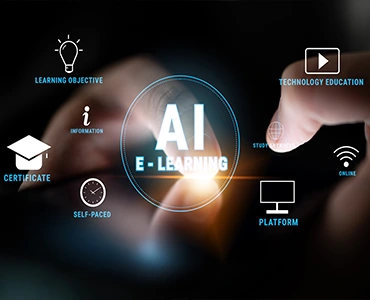

Learning management systems
LMS platforms centralize courses, track certification progress, and provide data analytics to enhance personalized learning experiences for students.

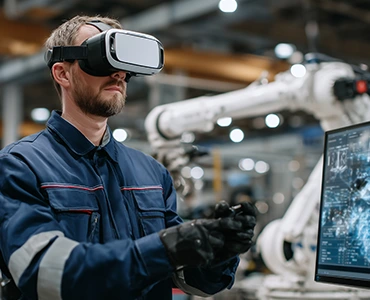
VR and interactive simulations
Simulated environments allow learners to practice high-risk scenarios safely, reinforcing concepts through active participation and immediate haptic feedback.

Adaptive learning platforms
Machine learning systems adjust content dynamically, addressing individual strengths to optimize learning outcomes and cognitive retention rates.
Securing federal grants and scholarships
Merit-based financial aid significantly reduces tuition economic burdens. Institutions and foundations offer funding packages based on academic performance, artistic talent, or PhD research interests to support dedicated students.
1
Managing dormitory and living costs
Budgeting for student housing and textbooks ensures a stable academic focus throughout the semester.
1
Tuition loan repayment plans
Understanding fixed interest rates and grace periods prevents future financial strain after commencement.
1
Internship and work-study integration
Part-time on-campus jobs provide stipends while respecting academic schedules and constraints.
Shaping inclusive educational policies
Well-designed policies ensure equitable access to quality learning. Governments adapting curricula and STEM teaching standards provide students with relevant skills, fostering resilience and lifelong learning in a global economy.
Continuous professional development ensures long-term employability and sustainable career growth regardless of market shifts.

Essential ranking and accreditation resources
Access guides on university accreditation standards. Reliable data empowers students to choose institutions that meet quality benchmarks and offer Diplomas recognized by multinational employers worldwide.